How Muslim Families Arrange Marriage Today: Tradition, Trust, and Modern Matchmaking


Introduction
Marriage remains one of the most important decisions in a person's life, and for many Muslims, family involvement continues to play a valuable role in the process. While arranged marriage is often misunderstood, modern Muslim marriages are usually based on mutual consent, communication, and compatibility.
Today, Muslim families combine traditional introductions with modern matchmaking tools, creating more opportunities for individuals to find a suitable life partner while maintaining Islamic values.
This guide explains how Muslim families arrange marriage today and why the process continues to evolve across the UK and internationally.
Understanding the Role of Family in Muslim Marriage
Family involvement has always been a significant part of Muslim marriage traditions.
In many cases, parents, relatives, and trusted family friends help identify potential matches and facilitate introductions. Their role is often to provide guidance, support, and background information rather than make decisions on behalf of the couple.
Most Muslim families understand that marriage is a lifelong commitment, which is why they often want to ensure compatibility from the beginning.
How the Marriage Process Usually Starts
Every family's approach may differ, but most Muslim marriage journeys begin through introductions.
Family Recommendations
Relatives often suggest potential matches based on shared values, education, family background, and religious practice.
Community Connections
Mosques, local communities, and social networks frequently help connect marriage seekers.
Professional Matchmaking Services
Many people now use Muslim matchmaking services to expand their search while maintaining privacy and family involvement.
Online Marriage Platforms
Muslim marriage websites have become increasingly popular among individuals looking for serious and halal marriage opportunities.
Why Compatibility Matters
Modern Muslim families focus on more than just family background.
Today, many marriage seekers prioritize:
Shared Values
A strong foundation often begins with similar beliefs and life principles.
Religious Compatibility
Understanding each other's approach to faith can help build a stronger relationship.
Lifestyle Goals
Future plans, career ambitions, and family expectations all contribute to long-term compatibility.
Communication
Healthy communication is one of the most important factors in a successful marriage.
The Importance of Getting to Know Each Other
One of the biggest changes in recent years is the amount of communication allowed before marriage.
Many families now encourage potential spouses to have respectful conversations about:
Future goals
Family expectations
Religious values
Education and career plans
Marriage priorities
These discussions help both individuals determine whether they are compatible before making a final decision.
How Technology Has Changed Muslim Marriage
Technology has transformed the marriage process significantly.
Today, many Muslims use:
Muslim Marriage Websites
These platforms allow users to create profiles and search for compatible matches.
Matrimonial Services
Professional services offer personalized introductions and guidance.
WhatsApp Marriage Groups
Marriage-focused communities connect individuals and families from different cities and countries.
International Matchmaking Networks
Many Muslims now explore marriage opportunities beyond their local communities.
Technology has made the search process more accessible while still allowing families to remain involved.
Common Challenges During the Process
Although the process can be rewarding, challenges may arise.
Different Expectations
Family and individual priorities may not always align.
Limited Communication
Important topics are sometimes discussed too late.
Unrealistic Standards
Searching for perfection can delay meaningful opportunities.
Cultural Differences
People from different backgrounds may have different traditions and expectations.
Addressing these challenges through open communication often leads to better outcomes.
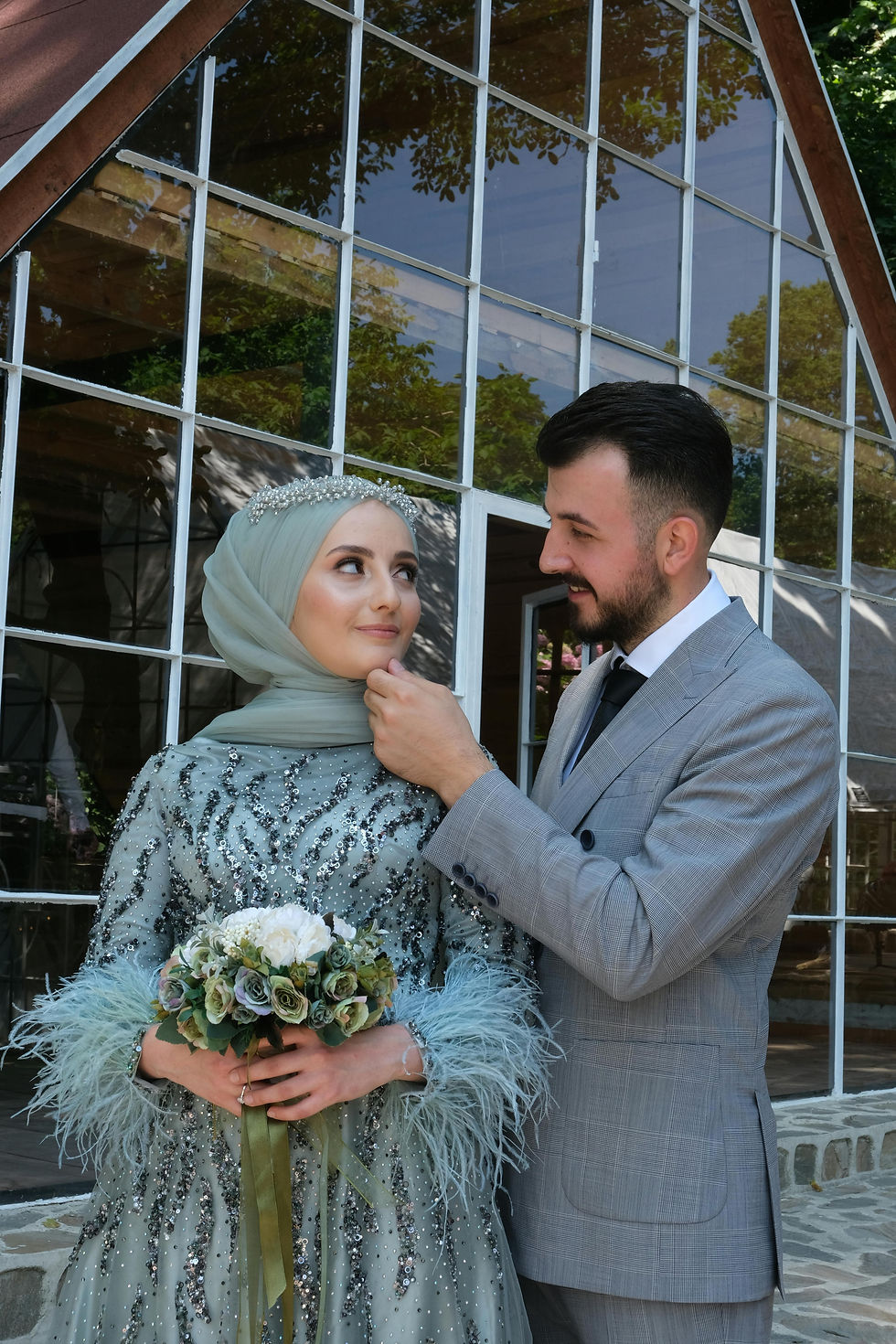
Balancing Tradition and Modern Approaches
Many successful marriages today result from combining traditional values with modern opportunities.
Families continue to provide support and guidance, while individuals have greater freedom to participate actively in the decision-making process.
This balanced approach allows people to benefit from both experience and personal choice.
Conclusion
The way Muslim families arrange marriage has evolved significantly over time.
Traditional introductions remain valuable, but modern tools such as matchmaking services, Muslim marriage websites, and online communities have expanded opportunities for marriage seekers.
The most successful marriage journeys often combine family support, honest communication, compatibility, and personal choice.
Whether introductions happen through relatives, community connections, or modern matchmaking platforms, the goal remains the same: finding a compatible spouse and building a strong, lasting marriage.
For more Muslim marriage guidance, matchmaking advice, and halal marriage resources, visit:


Comments